
Goexch9 Login Not Working? 5 Quick Fixes to Access Goexchange9 Now
Introduction
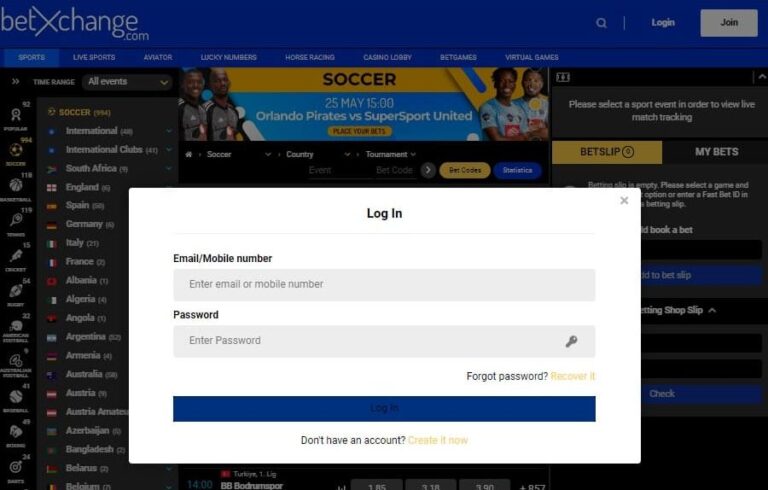
For traders and crypto enthusiasts, Goexchange9 has become a go‑to platform for fast, secure transactions. However, like any online service, users occasionally encounter login problems that block access to their accounts. Whether you see a generic error message, a timeout, or a “invalid credentials” alert, the frustration is real—especially when you need to act quickly on market movements.
This article walks you through the most common reasons the Goexch9 Login might fail and provides five practical, step‑by‑step fixes you can apply right now. By the end, you’ll have a clear troubleshooting roadmap, reducing downtime and keeping your trading activities on track.
Why Login Issues Occur
Understanding the root cause of a failed login is essential before you start applying fixes. The most frequent culprits include:
- Incorrect credentials: Simple typos, outdated passwords, or mismatched two‑factor authentication (2FA) codes.
- Browser cache and cookies: Corrupted or stale data can interfere with session tokens.
- Network restrictions: VPNs, firewalls, or ISP blocks may prevent a secure connection to the platform.
- System clock drift: Time‑sensitive authentication mechanisms require the device clock to be accurate.
- Platform maintenance: Scheduled updates or unexpected server outages can temporarily suspend login services.
Quick Fix #1 – Verify Your Credentials and 2FA
The first line of defense is confirming that you are entering the correct username, password, and any required 2FA code. Follow these steps:
- Open a private/incognito window to eliminate saved autofill data.
- Manually type your email/username instead of copying and pasting; hidden characters often slip in.
- If you use a password manager, ensure the stored password matches the most recent change.
- Check the 2FA app (Google Authenticator, Authy, etc.) for the current code. Remember, these codes refresh every 30 seconds, so enter them promptly.
- If you suspect the password is compromised, use the “Forgot Password” link on the login page to reset it. Follow the email instructions and choose a strong, unique password.
After confirming the details, attempt to log in again. If the problem persists, move on to the next fix.
Quick Fix #2 – Clear Browser Cache and Cookies
Web browsers store session data and site preferences locally. Over time, these files can become corrupted, leading to authentication errors. Clearing them often resolves the issue.
How to Clear Cache & Cookies (Chrome example)
- Click the three‑dot menu in the upper‑right corner.
- Navigate to More tools > Clear browsing data.
- Select “All time” for the time range.
- Check the boxes for “Cookies and other site data” and “Cached images and files.”
- Click “Clear data” and restart the browser.
For Firefox, Edge, Safari, or mobile browsers, the steps are similar—look for privacy or history settings. Once cleared, reload the login page and try again.
Quick Fix #3 – Disable VPN or Proxy Services
While VPNs offer privacy, they can sometimes route traffic through servers that the platform blocks as a security measure. If you’re using a VPN, proxy, or corporate network, do the following:
- Temporarily disconnect the VPN and attempt a direct connection to your internet service provider.
- If you rely on a VPN for security, switch to a server located in a region where the platform is known to operate smoothly (e.g., United States, Europe).
- Check firewall settings on your router or computer to ensure ports 443 (HTTPS) and 80 (HTTP) are open.
Testing without the VPN helps you isolate whether the network layer is the cause.
Quick Fix #4 – Synchronize Your System Clock
Many modern authentication systems, including the one used by Goexchange9, rely on time‑based one‑time passwords (TOTP). If your device’s clock deviates by more than a few seconds, the generated code will be rejected.
Steps to Correct Clock Drift
- On Windows, go to Settings > Time & Language > Date & Time, and enable “Set time automatically.”
- On macOS, open System Preferences > Date & Time, and check “Set date and time automatically.”
- For mobile devices, enable automatic date & time in the system settings.
- If automatic sync is unavailable, manually adjust the clock to match an official time source (e.g., time.gov).
After synchronizing, generate a new 2FA code and attempt login again.
Quick Fix #5 – Check Platform Status and Contact Support
Even after exhausting local troubleshooting, the issue might stem from the platform itself. Before assuming a personal fault:
- Visit community forums, official social media channels, or status pages (if publicly available) to see if other users report similar problems.
- Look for announcements about scheduled maintenance or unexpected outages.
- If no public information exists, reach out to customer support. Provide them with:
- Your registered email address.
- The exact error message displayed.
- The time (including time zone) when the issue occurred.
- Any troubleshooting steps you’ve already performed.
- Most platforms respond within a few hours for high‑priority login issues. Keep an eye on your email inbox and spam folder.
While waiting for a response, you can try logging in from a different device or a public internet connection (e.g., coffee‑shop Wi‑Fi) to rule out device‑specific problems.
Preventive Measures for Future Logins
Once you’ve regained access, consider implementing these best practices to minimise future disruptions:
- Use a password manager: It stores complex passwords and auto‑fills them without copying hidden characters.
- Enable backup 2FA methods: Many platforms let you add a secondary authentication app or receive SMS codes.
- Regularly update your browser: Modern browsers include security patches that improve compatibility with authentication scripts.
- Maintain a healthy device clock: Enable automatic time sync and avoid manually changing the system time.
- Document support tickets: Keep a log of any contact with the platform’s help desk for reference.
Conclusion
Login problems on Goexchange9 can be frustrating, but they are usually solvable with a systematic approach. By verifying credentials, clearing cache, checking network settings, synchronizing your device clock, and confirming platform status, you can often restore access within minutes. Remember to adopt preventive habits—strong passwords, reliable 2FA, and up‑to‑date software—to keep your account secure and readily accessible.
Should you encounter a persistent issue despite these fixes, the platform’s support team remains your best resource. With clear communication and the troubleshooting steps outlined above, you’ll be well‑equipped to resolve the problem swiftly and get back to trading without unnecessary downtime.